The Challenge
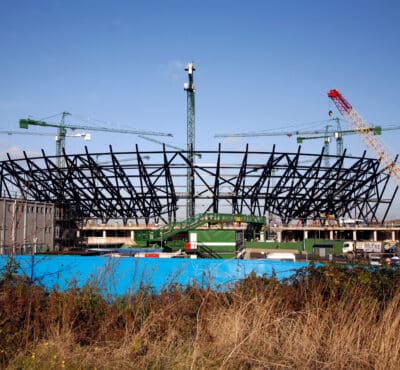
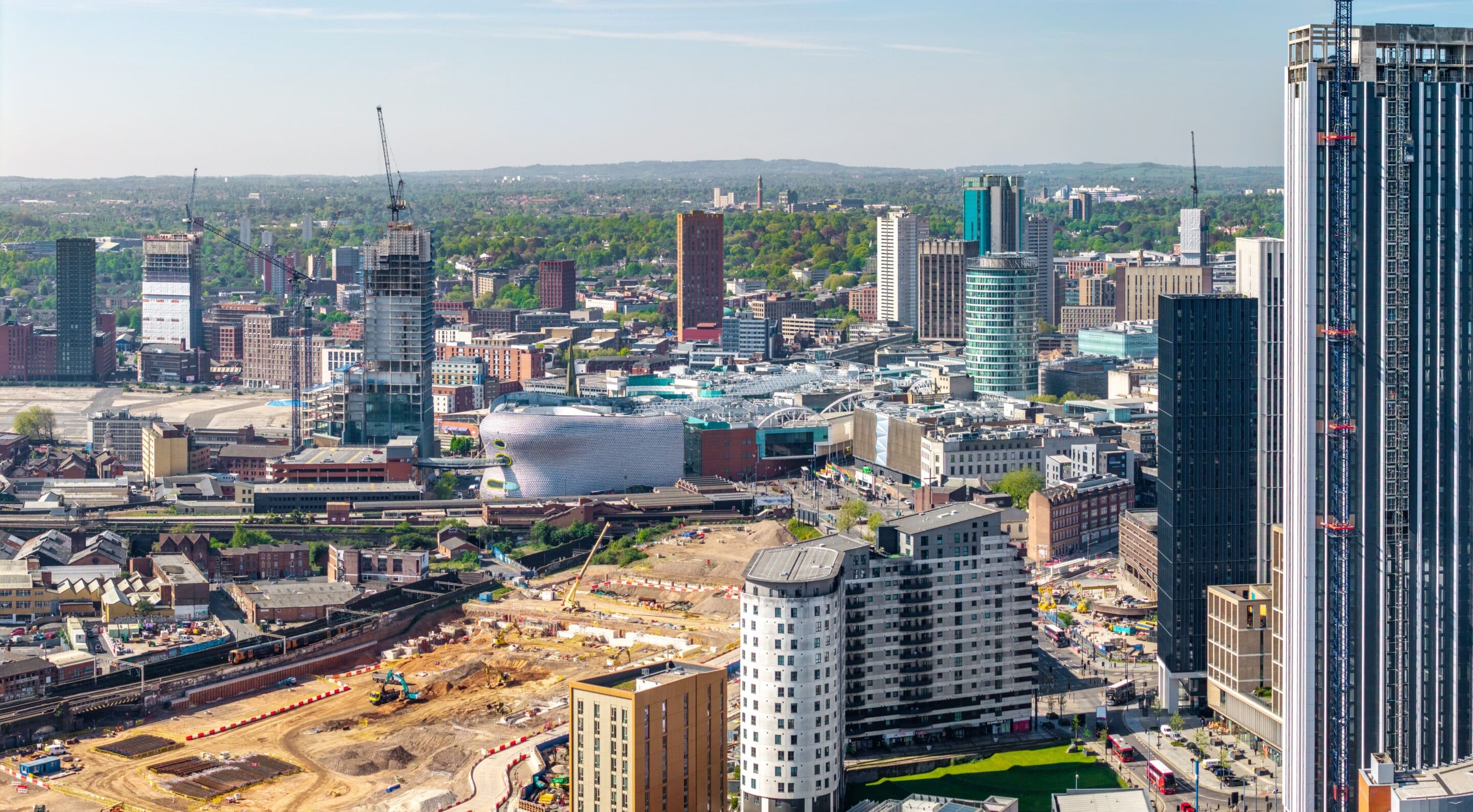
Major infrastructure projects demand precision, coordination, and uncompromising safety standards. The construction of HS2 is one of the most ambitious transport developments in Europe, bringing with it complex logistical challenges across multiple sites. From large-scale earthworks to intricate station builds, maintaining safe, clearly defined working environments is essential to keeping progress on track.
Across HS2 sites, one of the key challenges has been managing constantly evolving work zones. With multiple contractors operating simultaneously, there is a continuous need to separate pedestrian routes, secure hazardous areas, and adapt layouts as phases of construction shift. Traditional barrier systems often struggle to keep pace with this level of change, creating inefficiencies and potential safety risks.
Physical protection is equally critical. Construction environments involve heavy machinery, moving vehicles, and high footfall, all of which increase the likelihood of accidental impacts. Without effective protective systems in place, these incidents can lead to equipment damage, workflow disruption, and, most importantly, risks to worker safety.
To address these challenges, Oaklands Plastics barrier systems have been specified and deployed across sections of the HS2 project. Designed with demanding environments in mind, these systems provide a practical, adaptable solution that supports both safety compliance and operational efficiency.
Sustainable Solutions Implemented
Oaklands barrier products, such as the reknown RB22, are engineered using high-quality, durable plastics that withstand the rigours of construction sites while remaining manoeverable and easy to handle. This balance is particularly valuable on HS2, where teams frequently need to install, move, and reconfigure barriers without delaying progress.
The systems’ high visibility plays a crucial role in improving on-site safety. Clearly defined walkways, restricted zones, and exclusion areas help guide personnel and reduce the risk of accidents in busy, fast-moving environments. This visual clarity is essential on a project of HS2’s scale, where multiple activities often take place simultaneously within close proximity.
Flexibility has been another key advantage. Oaklands’ modular barrier design allows components to interlock seamlessly, enabling rapid expansion or reconfiguration as site requirements evolve. Whether creating temporary enclosures, segregating work zones, or protecting sensitive areas, the system adapts to changing conditions without the need for complex installation processes.
Ease of use further enhances efficiency. The barriers require minimal tools for assembly and can be quickly deployed by on-site teams, reducing downtime and supporting tight construction schedules. Their
portability also allows them to be reused across different phases and locations within the project, maximising value over time.
Sustainability is a core consideration for modern infrastructure projects, and Oaklands Plastics aligns closely with these priorities. The company’s closed-loop manufacturing process ensures that waste is minimised, with recycled materials incorporated into production wherever possible. This approach supports HS2’s broader environmental objectives while delivering high-performance products.
Durability also contributes to reduced environmental impact. Long-lasting barrier systems mean fewer replacements, lowering material consumption and waste generation over the lifespan of the project. By combining resilience with recyclability, Oaklands supports a more sustainable approach to construction site management.
Conclusion
The successful integration of Oaklands barrier systems into the HS2 project highlights the importance of adaptable, reliable safety solutions in large-scale infrastructure environments. By providing durable, flexible, and highly visible barriers, Oaklands Plastics has helped create safer, more efficient working conditions across complex construction sites.
As infrastructure demands continue to grow, the need for solutions that balance performance, practicality, and sustainability will only increase. In this context, Oaklands’ approach positions it as a valuable partner in delivering projects where safety and efficiency cannot be compromised.